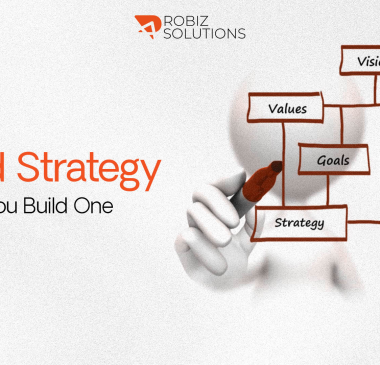
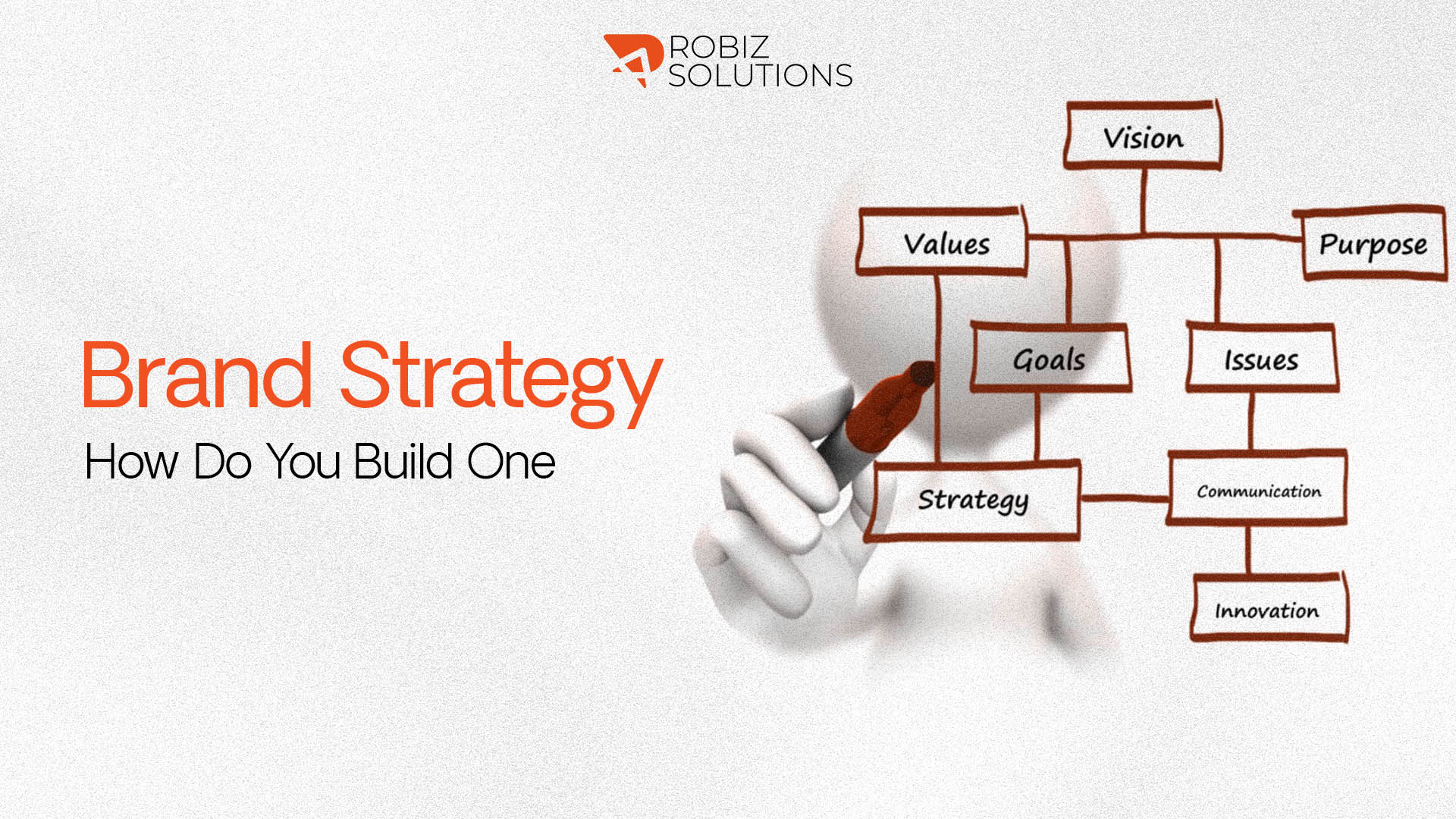
Brand strategy is the long-term plan for developing a brand’s purpose, positioning, personality, and audience relationships, defining who the brand serves, what makes it different, what it stands for, and how it will communicate consistently across every channel.
A logo is what your brand looks like. A brand strategy is why your brand exists, who it’s for, and why they should choose you over every alternative.
In 2026, with AI search engines synthesizing brand reputations from hundreds of data points, businesses without a clear, documented brand strategy are building on sand. Every piece of content, every social post, every campaign either reinforces or dilutes your brand positioning, whether you’re being strategic about it or not.
Why Brand Strategy Matters More Than Ever in 2026
AI Systems Build Brand Reputation From Signals
When someone asks ChatGPT “what is the best digital marketing agency in Canada?” the AI synthesizes an answer from all available brand signals: website content, reviews, case studies, social presence, mentions in industry publications, and consistent messaging patterns. Brands with a clear, consistent strategy produce stronger, more trustworthy signals.
Undifferentiated Brands Are Invisible
In every market, AI search and algorithm-driven discovery favor brands with a clearly defined position. Generic positioning, “we’re passionate about quality”, provides no differentiation signal for algorithms or humans.
Customer Trust Is Built on Consistency
Customers who encounter a brand across multiple channels and receive consistent messaging; consistent value proposition, consistent personality, consistent promises, build trust faster. Brand strategy is what makes that consistency possible.
The 7 Components of a Complete Brand Strategy
1. Brand Purpose
Your brand purpose is why your business exists beyond making money. It is the bigger mission that attracts employees who believe in it and customers who align with it.
Example: Patagonia’s purpose is environmental conservation. Every product decision, marketing campaign, and brand communication aligns with this purpose, and it has built one of the most loyal customer bases in retail.
Brand purpose is not a marketing slogan. It is a sincere, specific answer to “why do we exist?”
2. Brand Vision and Mission
Vision = The future state you’re working toward Mission = How you plan to get there
These define the direction of the business and create alignment between brand strategy and business strategy.
3. Brand Values
Your brand values are the principles that guide decisions, how you treat customers, how you make product decisions, how you handle problems, how you communicate. They should be specific enough to create actual behavioral guidance, not vague enough to mean anything.
Weak values: “Integrity, Innovation, Excellence” Strong values: “We say what we mean without sugar-coating. We ship real solutions, not decks. We treat every client’s budget as if it were our own.”
4. Target Audience Definition
Brand strategy requires a specific, researched definition of who you serve:
- Demographic and firmographic profile (age, industry, company size, geography)
- Psychographic profile (values, motivations, frustrations, aspirations)
- Jobs-to-be-done (what are they actually trying to accomplish)
- Decision triggers (what causes them to start looking for a solution)
- Trust signals (what makes them choose one brand over another)
Vague target audiences produce vague messaging. Specific audience definition produces messaging that feels like it was written for the reader personally.
5. Brand Positioning and Differentiation
Positioning defines where your brand sits in the competitive landscape:
- Who is your competition (direct, indirect, alternative)?
- What do you do better than any competitor?
- What do you NOT do (deliberate exclusions that sharpen positioning)?
- What is your category and how are you different within it?
A positioning statement captures this in a single structured sentence: “For [specific audience] who [have this problem], [brand name] is the [category] that [unique benefit], because [proof].”
6. Brand Personality and Voice
Your brand personality defines how your brand communicates:
- Personality traits (3–5 consistent adjectives that describe your brand’s character)
- Voice characteristics (formal or conversational, authoritative or empowering, direct or storytelling)
- Tone variations by context
- Vocabulary and language to use and avoid
Brand personality should feel like a consistent person your audience gets to know across every interaction, not a committee-approved corporate voice.
7. Brand Promise
Your brand promise is the specific, consistent commitment you make to every customer, what they can always expect when they interact with your brand. It is not a tagline. It is an internal and external commitment that every team member must understand and deliver.
How Robiz Solutions Executes Brand Strategy
At Robiz Solutions, brand strategy is the foundation of every creative engagement. Our Creative Excellence services begin with strategy before design, because visual identity without strategic foundation produces beautiful work that doesn’t connect.
Our team has built brand strategies for businesses across healthcare, technology, consumer goods, and professional services; integrating brand strategy with visual identity, brand guidelines, and pitch deck development that communicates the strategy to investors and stakeholders.
Explore our portfolio to see brand strategy in action, or contact us to begin a brand strategy engagement.
Questions About Brand Strategy
Brand strategy is ultimately owned by business leadership but should be co-developed with input from marketing, sales, customer success, and ideally a brand strategy consultant or agency. It is too important to be delegated entirely downward.
Core brand strategy (purpose, values, mission) should evolve slowly, major updates every 3–5 years, with minor refinements annually as the market changes. Positioning and messaging may need more frequent review in fast-moving industries.
Yes, and startups benefit most from early brand strategy investment because it prevents expensive inconsistency from compounding. A focused brand strategy engagement doesn’t require the same investment as a full enterprise rebrand.
Brand strategy ROI manifests as: lower customer acquisition costs (clear positioning attracts the right audience), higher conversion rates (consistent messaging reduces decision friction), stronger retention (customers loyal to purpose not just product), and premium pricing power (differentiated brands command higher prices).
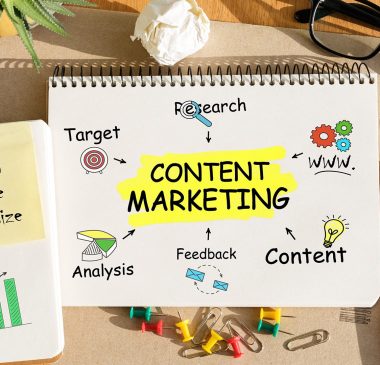
Brand strategy directly influences content strategy, which is central to SEO. Clearly defined audience, positioning, and voice produce more focused, consistent content, which builds topical authority faster and performs better in AI-driven search.
The framework is the same, but the emphasis differs. B2B brand strategy typically prioritizes trust, expertise, and risk reduction. B2C brand strategy typically prioritizes emotional resonance, lifestyle alignment, and desire. The components: purpose, values, positioning, personality, apply to both.
Brand strategy defines who you are and what you stand for. Marketing strategy defines how you reach your audience and communicate that brand. Brand strategy is the upstream foundation; marketing strategy is how you execute it in market.
Published by Robiz Solutions – robizsolutions.com