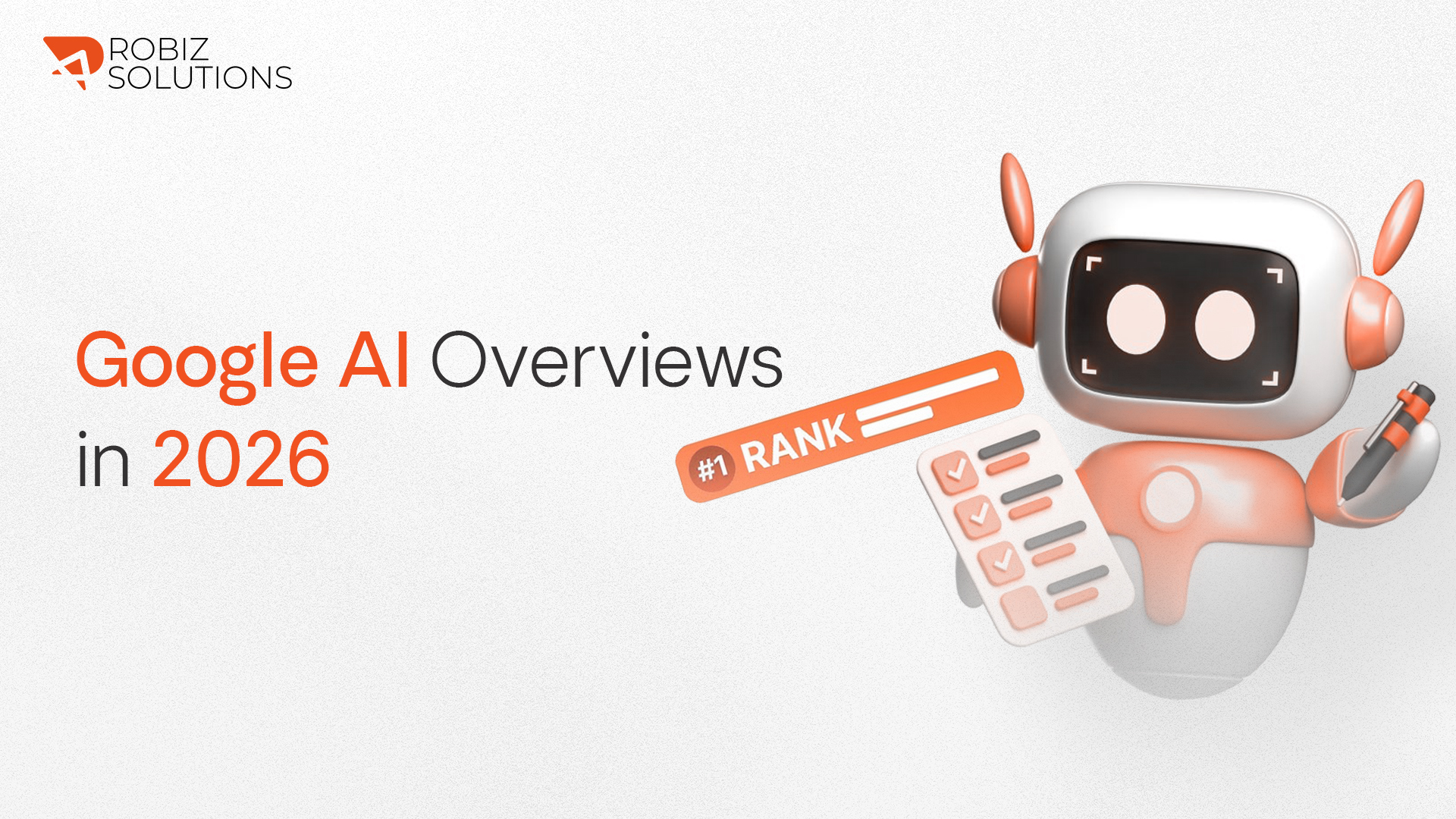
To rank in Google AI Overviews, your content must directly answer the user’s question in the first paragraph, use structured H2/H3 formatting, demonstrate E-E-A-T signals, and cover the topic with sufficient depth that Google’s AI system trusts it as a primary source.
Google AI Overviews now appear on the majority of informational searches and reach over 2 billion monthly users. For businesses and content creators, appearing inside an AI Overview is often more valuable than a traditional position #1 ranking, because your content is delivered directly to the user, often without requiring a click.
This guide walks through exactly what it takes to get cited.
What Are Google AI Overviews?
Google AI Overviews (formerly Search Generative Experience) are AI-generated answer summaries that appear at the top of Google search results. They synthesize information from multiple sources and present a direct answer, often with 3–5 cited sources listed below.
Unlike featured snippets (which pull a single excerpt from one page), AI Overviews synthesize across sources — making it possible to appear as one of several cited references rather than needing to win a single extraction spot.
Why Getting into AI Overviews Matters
Visibility without the click. Even if a user doesn’t click your link, seeing your brand cited in an AI Overview builds awareness and authority.
Trust transfer. Being cited by Google’s AI signals to users that your content is trustworthy and authoritative — a powerful brand signal in competitive industries.
Compounding authority. Pages that appear consistently in AI Overviews tend to accumulate more natural backlinks and brand searches, further strengthening organic performance.
Zero-click doesn’t mean zero value. While AI Overviews reduce clicks on some queries, they increase brand recognition for the sources cited, driving direct searches and branded queries over time.
The 7 Factors That Get Content into Google AI Overviews
1. Direct Answer in the Opening
Google’s AI system scans for pages that answer the query immediately. Your H1 or first paragraph should contain the clearest, most concise answer to the question. Burying your answer in the middle of a long introduction will cost you citations.
Best practice: Mirror the user’s question in your H1, then answer it in 1–2 sentences before expanding.
2. Structured Hierarchy (H1 → H2 → H3)
AI systems use heading structure to understand what a page covers and how authoritative each section is. Pages with clean, logical heading hierarchies are consistently preferred over poorly structured long-form content.
3. E-E-A-T Signals
Experience, Expertise, Authoritativeness, and Trustworthiness remain Google’s primary quality framework in 2026, and they apply directly to AI Overview citation decisions.
Practical E-E-A-T signals:
- Named author with verified credentials
- First-person experience or case study data
- Citations to primary sources (studies, official data)
- Consistent publishing history on the topic
4. Comprehensive Topic Coverage
AI Overviews favor sources that cover a topic from multiple angles. A page that answers the main question AND addresses related sub-questions is significantly more likely to be cited than a page that only answers the main question.
5. Concise, Scannable Paragraphs
Paragraphs longer than 4 lines are harder for AI systems to extract clean quotes from. Keep paragraphs to 2–4 sentences. Use bullet points and numbered lists for multi-part answers.
6. Schema Markup
Implementing FAQ schema, HowTo schema, and Article schema helps Google’s AI parse your content structure more accurately. Well-marked-up pages are easier for the AI system to trust and extract from.
7. Topical Authority (Not Just Individual Pages)
Google’s AI system assesses whether your entire site is authoritative on a topic, not just a single page. Building a topic cluster around your primary keyword signals that your domain is a trusted source, increasing the likelihood that any page in the cluster gets cited.
Content Formats That Perform Best in AI Overviews
Based on current AI Overview behavior, these formats are most consistently cited:
- Definition articles: “What is X?” pages with clear definitions
- Step-by-step guides: numbered processes with clear outcomes
- Comparison articles: “X vs. Y” format with balanced analysis
- FAQ pages: structured questions with direct answers
- Statistical summaries: data-backed content with cited sources
- Expert commentary: named expert perspectives on industry topics
Common Mistakes That Prevent AI Overview Citations
Writing for keywords, not questions. Content optimized purely for keyword density without answering a clear question is almost never cited in AI Overviews.
Burying the answer. Long introductions that take 300 words to reach the actual answer are consistently skipped.
Thin FAQ sections. One-sentence FAQ answers are not informative enough for AI extraction. Each FAQ answer should be 50–100 words minimum.
No E-E-A-T signals. Anonymous content without author attribution, credentials, or primary source citations is deprioritized.
Inconsistent publishing. Sites that publish sporadically on a topic carry less topical authority than sites with consistent, deep coverage.
How Robiz Solutions Builds AI Overview-Ready Content
At Robiz Solutions, our SEO and AI Agency teams build content specifically architected for AI Overview citation. This includes full topic cluster strategy, E-E-A-T author frameworks, schema implementation, and structured content templates.
We have applied this approach across client accounts including Nexus Agora and Grans, producing measurable improvements in AI-visible content coverage. Our Performance Marketing services integrate organic AI visibility alongside paid channels for a complete discovery strategy.
Contact us to discuss an AI Overview audit for your website.
Questions About Ranking on Google AI Overview
Yes, though domains with higher authority and more structured content are cited more frequently. Smaller sites with well-structured, authoritative content can and do appear in AI Overviews.
Backlinks continue to influence domain authority, which affects AI Overview citation frequency. However, content structure and directness of answers are more immediately impactful than link counts.
Featured snippets pull one block of text from one source. AI Overviews synthesize from multiple sources, making it possible to be cited alongside other authorities rather than needing to win a single spot.
Core Web Vitals remain a ranking factor for standard organic results and indirectly influence AI Overview sourcing by affecting how well Google can crawl and assess your pages.
No. Instead, restructure it: add a direct answer at the top, improve heading hierarchy, strengthen E-E-A-T signals, and expand FAQ coverage.
AI Overview sources change frequently; sometimes daily. Maintaining fresh, updated content with clear timestamps is important for sustained citation.
No. AI Overview citations are organic and are not influenced by Google Ads spend.
Published by Robiz Solutions – AI-Enabled Digital Marketing Agency. robizsolutions.com