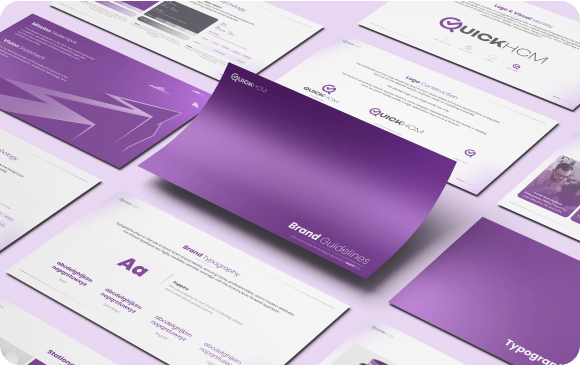
As digital products expand, inconsistency becomes a risk. Without a design system, teams struggle with mismatched interfaces, duplicated components, and slow design-to-development workflows. Over time, this leads to fragmented user experiences and higher maintenance costs.
A well-structured design system creates a shared foundation for design and development. It ensures every interface element follows the same rules, enabling teams to build faster, maintain consistency, and scale confidently without compromising quality.
Our design system services focus on creating structured, reusable frameworks that align design, development, and brand standards across all digital touchpoints.
Component-Based Architecture
We design reusable UI components that can be applied consistently across screens and platforms. This reduces design debt and accelerates future product updates.
Design Tokens and Visual Standards
Colors, typography, spacing, and interaction rules are defined as scalable tokens. These standards ensure consistency while allowing flexibility as products evolve.
Cross-Team Alignment
Design systems act as a shared language between designers, developers, and stakeholders. We structure systems to support collaboration and reduce interpretation gaps.
Scalability and Maintenance
Our design systems are built to grow. Clear documentation and modular structure make it easy to add new components without breaking consistency.